Does God Care About Denominations? What the Bible Says About Unity
Does God care more about your church denomination or the love you show others? Discover what Revelation, John 17, and the teachings of Jesus reveal about Christian unity, helping the poor, and looking beyond denominational differences.

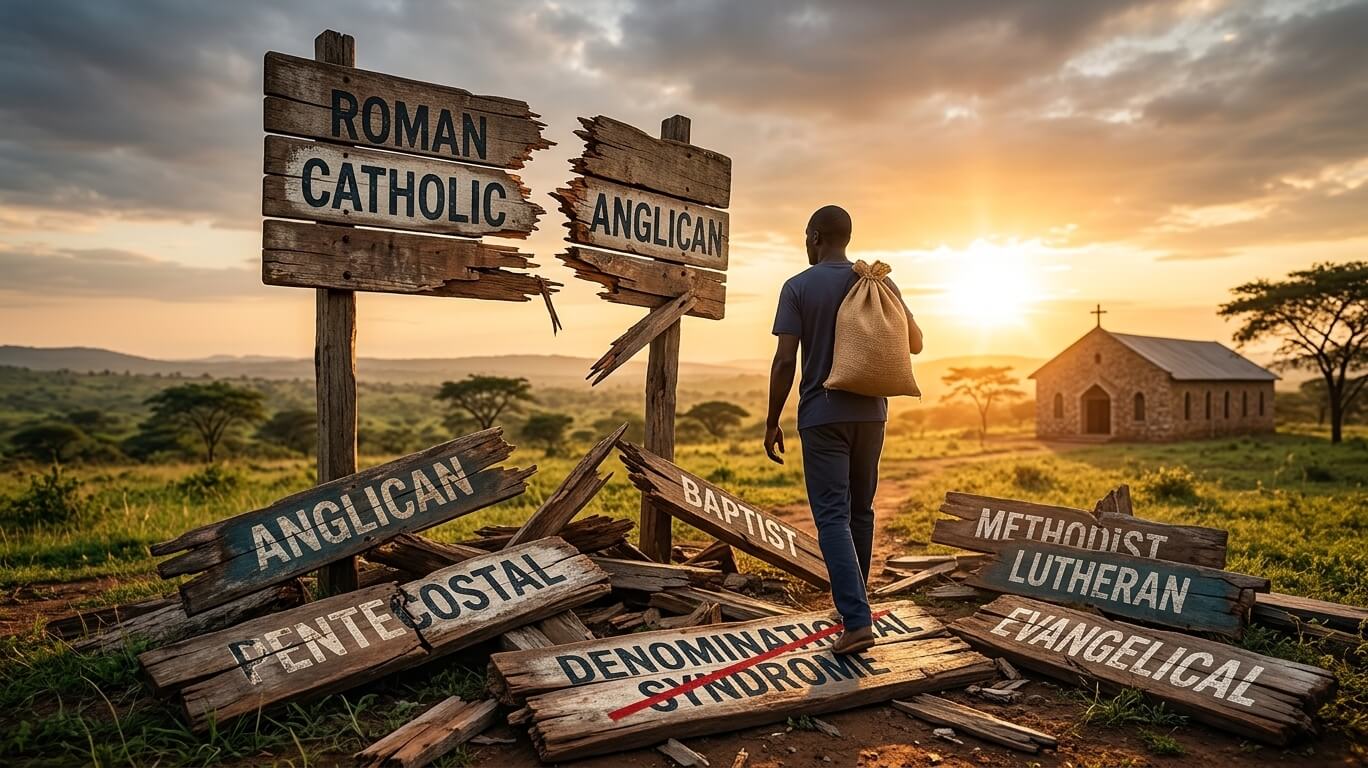
<h1>Does God Care About Denominations? The Biblical Truth About Christian Unity and Love</h1>
<p>Have we become so attached to our church denominations that we have forgotten what it truly means to be the body of Christ? Is God more concerned about the name written on a church building or the love demonstrated by the people who worship inside it?</p>
<p>These are important questions every Christian should consider. The Bible teaches that followers of Jesus are called to love one another, care for the needy, and live in unity. Yet, denominational differences can sometimes become barriers that prevent believers from showing compassion to people outside their congregation.</p>
<p>But is that what Jesus intended for His Church?</p>
<h2>The Seven Churches of Revelation: What Can We Learn?</h2>
<p>In Revelation chapters 2 and 3, Jesus sent messages to seven churches in Asia: Ephesus, Smyrna, Pergamum, Thyatira, Sardis, Philadelphia, and Laodicea.</p>
<p>These churches were identified by their locations, and Jesus addressed the spiritual condition of each congregation. He praised their faithfulness where appropriate, corrected their shortcomings, and called them to repentance where necessary.</p>
<p>Although these were distinct local congregations, the messages remind us that Christ examines the hearts and actions of His people.</p>
<p>The lesson is not that every church name is wrong or that denominations have no place in Christian life. Rather, no denominational label can replace genuine faith, obedience, and love for God and our neighbors.</p>
<p>A church may have a beautiful name, a large building, and a growing congregation, but what truly matters is whether its members reflect the character of Christ.</p>
<h2>When Church Membership Becomes More Important Than Compassion</h2>
<p>Imagine a church leader celebrating his birthday. Instead of keeping the gifts for himself, he receives a generous donation of rice and decides to distribute it to hungry people.</p>
<p>A committee is formed to identify those who need assistance. One church member remembers two struggling women who live nearby. One is a widow raising several children and struggling to provide daily meals.</p>
<p>She submits their names, hoping they will receive help. But when a church leader discovers that the women do not belong to the congregation, he rejects their names.</p>
<p>Think about that for a moment. The food was intended for hungry people, yet two women in need were excluded simply because they worshiped elsewhere.</p>
<p><strong>When we allow denominational loyalty to silence compassion, we risk losing sight of the very heart of the gospel.</strong></p>
<p>Proverbs 19:17 teaches that whoever is kind to the poor lends to the Lord. Similarly, Jesus taught His followers to care for those who are hungry, thirsty, sick, and in need.</p>
<p>Compassion should not depend on a person's church membership. If someone is hungry, we have an opportunity to demonstrate God's love.</p>
<h2>Jesus Prayed for His Followers to Become One</h2>
<p>One of the most powerful prayers Jesus prayed was for the unity of His followers. In John 17:21, Jesus asked the Father that His people would be one, just as He and the Father are one.</p>
<p>This prayer reveals how deeply Jesus desired unity among those who believe in Him.</p>
<p>Christian unity does not mean that every church must have the same name, worship style, or understanding of every biblical issue. Churches may differ in their traditions and practices while sincerely seeking to follow Christ.</p>
<p>However, these differences should never become excuses for hatred, pride, discrimination, or indifference toward other believers.</p>
<p>Paul explained this truth in 1 Corinthians 12:12–13, comparing the Church to one body with many members. Each member has a different role, yet all belong to the same body.</p>
<p>The hand cannot claim that it does not belong to the body simply because it is not the foot. In the same way, Christians should not treat fellow believers as strangers simply because they attend another congregation.</p>
<p><strong>We may worship in different buildings, but our love for Christ should bring us together as one spiritual family.</strong></p>
<h2>Does God Give Every Ministry Its Name?</h2>
<p>Churches often have distinctive names that express their vision, mission, or calling. Some Christians believe that God specifically revealed the name of their ministry to them, while others choose names based on prayer, personal conviction, or inspiration.</p>
<p>Whatever the process, a ministry's name should never become a source of pride or division.</p>
<p>Ecclesiastes 5:3 observes that a dream can come through much activity. This verse encourages thoughtful reflection rather than assuming that every dream automatically carries a divine message.</p>
<p>The more important question is not simply whether a ministry has a spiritual-sounding name, but whether its leaders faithfully teach God's Word and demonstrate the character of Jesus.</p>
<p>A ministry called "Fire of Revival" may attract attention, but its name alone cannot prove its spiritual authority. Likewise, a small congregation with a simple name may serve God faithfully through prayer, generosity, humility, and love.</p>
<p>Jesus warned in Matthew 7:16 that people can be recognized by their fruits. Therefore, Christians should exercise discernment and examine the teachings, conduct, and spiritual fruit of a ministry instead of judging its legitimacy by its name alone.</p>
<h2>True Ministry Means Caring for People in Need</h2>
<p>Consider another example. A mother brings her seriously ill son to a place where Christians gather for prayer. The family has visited hospitals repeatedly and is exhausted from searching for answers.</p>
<p>The people who receive them do not begin by asking which denomination they belong to. They focus on helping the child.</p>
<p>Medical assistance is arranged, supplies are obtained, and a place is prepared where the child can receive the care he needs. For several days, the family receives support. Eventually, the child improves, and they return to their own church.</p>
<p>What should the believers who helped them feel? They should rejoice that a family received help.</p>
<p>The child's church membership does not make his life less valuable, nor does helping him become a reason to demand that his family change congregations.</p>
<p>This is an example of Christian compassion in action. Prayer and practical assistance can work together, and caring for the sick should include appropriate medical care.</p>
<p>Galatians 6:10 encourages believers to do good to everyone, especially those who belong to the family of faith.</p>
<p>The instruction to do good to everyone is important. Our kindness should not stop at the doors of our church buildings.</p>
<h2>The Greatest Evidence of Christian Faith Is Love</h2>
<p>Jesus summarized the importance of love in John 13:34–35, commanding His disciples to love one another and explaining that their love would identify them as His followers.</p>
<p>Notice what He emphasized. He did not say that the world would recognize His disciples merely by the names on their church signboards, the size of their congregations, or the titles of their leaders. He pointed to love.</p>
<p>Real Christian love is visible in the way we treat people. It appears when we feed the hungry, comfort the grieving, help struggling families, care for the sick, forgive one another, and welcome people who need support.</p>
<p>It also means refusing to turn theological differences into excuses for cruelty or unnecessary division.</p>
<p>Jesus explained in Matthew 5:17 that He came not to abolish the Law but to fulfill it. Paul also wrote in Romans 10:4 that Christ is the culmination of the Law for righteousness to everyone who believes.</p>
<p>Our response to God's grace should be a life shaped by faith, humility, and love. We cannot claim to represent Christ faithfully while deliberately withholding kindness from people simply because they belong to another congregation.</p>
<h2>How Can Christians Build Unity Across Denominations?</h2>
<p>Christian unity begins with practical decisions, not just powerful sermons. Here are five ways believers can put this message into action:</p>
<ul> <li><strong>Help people regardless of their denomination.</strong> When someone genuinely needs food, shelter, or assistance, let compassion guide your response.</li> <li><strong>Respect other Christian congregations.</strong> You can hold firmly to your beliefs without insulting or demeaning fellow believers.</li> <li><strong>Judge ministries by their fruit.</strong> Look at their teachings, character, integrity, and service rather than relying on names or appearances.</li> <li><strong>Work together to serve the community.</strong> Churches can cooperate in feeding the hungry, supporting widows, caring for vulnerable children, and helping people in crisis.</li> <li><strong>Make love a daily practice.</strong> Encourage, forgive, listen, share, and treat others with the dignity they deserve.</li> </ul>
<p>These actions do not require every Christian to agree on every doctrine. They require us to remember that our disagreements should never erase our responsibility to love our neighbors.</p>
<h2>Final Thoughts: Let Love Unite What Denominations Divide</h2>
<p>There is nothing inherently wrong with a church having a name or maintaining its traditions. The danger comes when a denominational identity becomes more important than the teachings of Jesus.</p>
<p>A hungry person should not have to belong to your church before you offer food. A sick child should not be denied assistance because his family worships somewhere else. And a fellow Christian should not be treated as an enemy simply because the signboard outside their church carries a different name.</p>
<p>The Church is called to reflect the love, mercy, and compassion of Christ.</p>
<p>Jesus prayed for His followers to be one. He commanded them to love one another. These teachings challenge every believer to look beyond denominational boundaries and recognize the dignity of every person.</p>
<p>The question we should ask ourselves is simple: When people encounter us, do they see the love of Christ, or do they see the walls we have built between ourselves?</p>
<p><strong>May our churches be known not merely by their names, but by their love, generosity, unity, and faithfulness to Jesus Christ.</strong></p>
<h2>A Prayer for Christian Unity</h2>
<p>Heavenly Father, teach us to love as Jesus loves. Remove pride, prejudice, and unnecessary division from our hearts. Help us to care for the hungry, comfort the suffering, support the vulnerable, and treat fellow believers with respect. May our differences never prevent us from showing Your compassion to others. Let our lives demonstrate the unity and love that Jesus prayed for. In Jesus' name, Amen.</p>
<h2>Reflection: What Does Christian Unity Mean to You?</h2>
<p>Have you ever seen someone denied help because they belonged to a different church? What can Christians do to make the Church a more loving and welcoming family?</p>
<p>Share your thoughts in the comments, and let us encourage one another to live out the love of Jesus Christ.</p>